Solar Panels for Private Homes: A Practical Look at Benefits, Limitations, and Real Expectations
Solar energy has long moved beyond the realm of futuristic concepts and environmental activism slogans. For many homeowners today, solar panels represent a concrete option for reducing energy costs, increasing energy independence, and contributing to a more sustainable energy system. This topic is especially relevant for private homeowners who are weighing long-term investments and trying to understand whether installing solar panels is a genuinely practical solution or an idealistic trend with hidden trade-offs.
The discussion around residential solar energy often swings between enthusiastic promises and skeptical criticism. To make an informed decision, it is important to look beyond marketing claims and examine how solar panels actually work in a household context, what advantages they offer, and where their limitations become apparent.
How Solar Panels Work in a Private Home Context
At a basic level, solar panels convert sunlight into electricity through photovoltaic cells. This electricity can be used immediately in the household, stored in batteries, or fed back into the grid, depending on the system configuration and local regulations. While the technology itself is relatively straightforward, its integration into a private home is shaped by a combination of technical, geographic, and social factors.
Historically, residential solar energy became viable only when production costs dropped significantly in the early 21st century. Improvements in silicon-based cells, manufacturing scale, and installation practices made solar panels accessible not only to large energy producers but also to individual homeowners. This shift marked an important transition from centralized to decentralized energy generation.
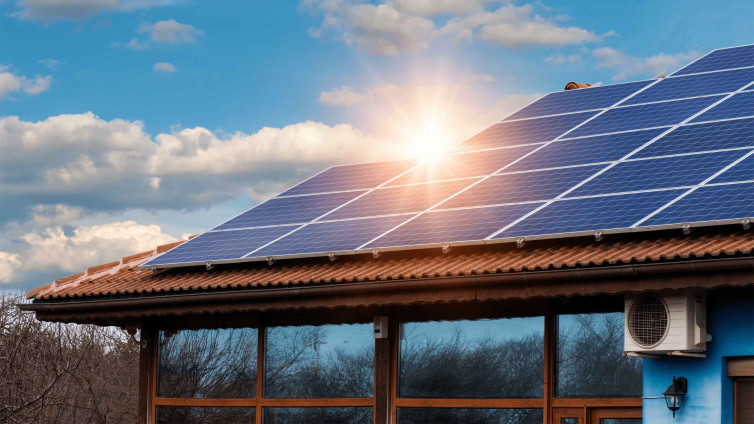
For a private household, solar panels do not operate in isolation. Their effectiveness depends on roof orientation, local climate, seasonal daylight variations, and household consumption patterns. A family that uses most of its electricity during daytime hours may benefit more directly from solar generation than one whose peak usage occurs in the evening.
Importantly, solar panels change the role of the homeowner from a passive energy consumer to an active participant in energy production. This shift has cultural and psychological implications: energy becomes more visible, measurable, and connected to daily choices.
Advantages of Solar Panels for Homeowners
One of the most frequently cited benefits of solar panels is the potential reduction in electricity bills. By generating part or all of their own power, homeowners can decrease reliance on utility providers and protect themselves from rising energy prices. Over time, this can translate into substantial savings, especially in regions with high electricity costs.
Another advantage is energy independence. While most residential systems remain connected to the grid, solar panels reduce vulnerability to price fluctuations and, when paired with battery storage, can provide backup power during outages. This aspect has gained importance in recent years as concerns about grid stability and extreme weather events increase.
Environmental impact is also a significant factor. Solar energy produces electricity without direct greenhouse gas emissions, contributing to lower household carbon footprints. While the production of panels involves energy and raw materials, studies consistently show that solar panels offset their environmental cost within a few years of operation.
From a broader social perspective, widespread adoption of residential solar panels supports the transition toward cleaner energy systems. Decentralized generation reduces transmission losses and can ease pressure on aging infrastructure. In some communities, solar adoption also fosters local innovation and green job creation.
Finally, solar panels can increase property value. Many buyers view existing solar installations as a long-term asset, particularly when systems are owned rather than leased. This reflects a growing cultural association between sustainability and modern, forward-thinking living.
Limitations and Challenges: What Is Often Overlooked
Despite their advantages, solar panels are not a universal solution. One of the most significant barriers is the initial cost. Although prices have decreased, purchasing and installing a residential system still requires a substantial upfront investment. Government incentives can offset this cost, but their availability varies widely by region and may change over time.
Solar energy is also inherently variable. Production depends on sunlight, which means output fluctuates daily and seasonally. In regions with long winters, frequent cloud cover, or limited daylight, solar panels may produce far less energy than expected. This does not make them ineffective, but it does affect payback periods and overall efficiency.
Maintenance is often described as minimal, but it is not nonexistent. Panels must be kept reasonably clean, inverters may need replacement after a decade or so, and system performance should be monitored. These factors add long-term considerations that are sometimes underplayed in promotional materials.
Another challenge lies in grid integration and regulation. Policies governing net metering, feed-in tariffs, and connection fees can significantly influence the financial viability of solar panels. Changes in regulation may alter expected returns, creating uncertainty for homeowners planning long-term investments.
There is also a social dimension. Solar panels are more accessible to homeowners with sufficient financial resources and suitable property conditions. Renters, apartment dwellers, and low-income households often cannot benefit directly, raising questions about equity in the energy transition.
Comparing Pros and Cons of Residential Solar Panels
| Aspect | Advantages | Limitations |
|---|---|---|
| Cost | Long-term savings on electricity bills | High upfront investment |
| Energy Security | Reduced dependence on the grid | Limited production during low sunlight |
| Environmental Impact | Lower carbon footprint | Environmental cost of manufacturing |
| Property Value | Can increase home value | Installation may not suit all properties |
| Flexibility | Potential integration with batteries | Regulatory and policy uncertainty |
This comparison highlights that solar panels are neither a perfect solution nor an empty promise. Their value depends on context, expectations, and long-term planning.
When Solar Panels Make Sense — and When They Do Not
Solar panels tend to be most effective for homeowners who plan to stay in their homes for many years, have suitable roof conditions, and live in regions with adequate sunlight. They are also well-suited for households interested in actively managing their energy use and willing to adapt consumption patterns.
Conversely, for those facing frequent relocations, living in shaded or densely built environments, or relying on short-term financial returns, solar panels may offer limited benefits. In such cases, other energy efficiency measures — insulation, efficient appliances, or smart energy management — may deliver better results.
The decision to install solar panels should therefore be framed not as a moral obligation or a lifestyle statement, but as a strategic choice. Understanding personal energy needs, financial capacity, and local conditions is essential.
Key Takeaways
-
Solar panels turn homeowners into active participants in energy production.
-
Financial benefits depend on long-term use and local conditions.
-
Environmental advantages are real but not free of trade-offs.
-
Variability of sunlight affects reliability and output.
-
Regulations and incentives play a crucial role in feasibility.
-
Solar energy works best as part of a broader energy strategy.
Summing Up
Solar panels for private homes occupy a space between technological innovation and everyday practicality. They offer clear advantages in terms of sustainability and energy independence, but they also come with financial, technical, and social limitations. A realistic assessment — rather than blind enthusiasm or outright rejection — allows homeowners to make informed decisions that align with their values, resources, and long-term plans. In this balanced approach lies the true potential of residential solar energy.