Urban “Quiet Zones” and Design for Better Quality of Life
Cities never truly sleep — and not just metaphorically. Traffic, construction, HVAC systems, music from cafés, constant human flow — all these sounds form a continuous acoustic background that residents gradually get used to. But getting used to something doesn’t mean it becomes harmless. Research from the last decade shows that chronic urban noise is one of the most serious factors lowering quality of life, comparable to stress and air pollution.
Against this backdrop, the idea of urban quiet zones is becoming increasingly popular — designated calm spaces inside cities, created through a combination of greenery, smart acoustic design, and accessible solutions that even residents can apply at the neighborhood or household level. These areas are not only about comfort or aesthetics; they are directly about health.
Every year, quiet zones become part of a new urban philosophy: a city may be noisy, but it must provide islands of calm — safe harbors for the mind, focus, and rest.
 Silence as a Resource: Why Noise Damages Health and Productivity
Most people underestimate the impact of noise. Yet the World Health Organization considers noise pollution one of the biggest environmental health risks in Europe, second only to air pollution. Constant exposure to levels above 55 dB is associated with a higher risk of hypertension, sleep disturbances, reduced cognitive performance, and chronic stress.
What happens to the body?
-
The stress system never truly turns off
Even when a person is not consciously irritated by noise, the brain reacts: heart rate increases, cortisol levels rise. -
Concentration and memory suffer
Noise disrupts working memory and slows down information processing. This is especially critical for students and people working in knowledge-intensive fields. -
Sound overload affects emotions
Studies link constant urban noise to anxiety, irritability, fatigue, and decreased emotional stability. -
Sleep quality declines
Even if a person doesn’t fully wake up, noise triggers micro-arousals that disrupt sleep cycles.
Why does this matter for cities of the future?
Modern urban planning is shifting away from treating noise as an inevitable side effect of urban life. Instead, more cities approach sound as something that can — and must — be designed.
A city that cares about silence cares about its residents’ cognitive health, productivity, emotional well-being, and long-term resilience.
How Quiet Zones Are Created: Nature, Design, and Acoustic Engineering
A quiet zone is more than a park. It is a space where sound levels are significantly reduced, either naturally or through architectural intervention. Ideally, it combines several types of solutions.
Greenery as a natural sound filter
Plants are not just decorative — they act as bio-acoustic barriers:
-
dense shrubs absorb sound waves,
-
tree clusters redirect and scatter sound,
-
vertical greenery reduces sound reflections,
-
hedges can reduce noise by 5–10 dB,
-
green berms or “green walls” can absorb 12–15 dB.
Some cities even create “green corridors” — long lines of vegetation along roads that act as soft noise shields.
Water as natural sound therapy
Fountains, streams, and cascades do not eliminate noise but mask it with pleasant natural sound, making the environment psychologically calmer.
This effect, known as sound masking, is widely used by urban designers, including in airports and shopping centers, when complete noise removal is impossible.
Acoustic screens and infrastructure
When natural tools aren’t enough, cities use engineered solutions:
-
wooden or transparent sound barriers,
-
landscape mounds,
-
directional walls,
-
noise-reducing pavement.
Modern barriers are increasingly aesthetic: perforated concrete, modular green screens, wooden constructions, or mixed materials that incorporate moss and plants.
Spatial planning as noise control
Quiet zones can also be created through smart planning:
-
placing seating and recreational areas behind buildings instead of along roads,
-
using U-shaped structures that block wind and noise,
-
minimizing reflective surfaces,
-
choosing soft pathway materials (wood chips, crushed stone, rubber).
DIY solutions for residents
Community-led quiet areas have grown increasingly popular:
-
micro-parks in courtyards,
-
planting bushes along walkways and windows,
-
vertical green “curtains” using climbing plants,
-
small water features,
-
collaborative noise-reduction projects near schools.
A city becomes quieter when its residents help shape it.
Global Examples: How Cities Create Urban Oases of Calm
Copenhagen
Developed several “quiet parks” where traffic is restricted and vegetation is arranged to create acoustic corridors. Noise levels inside are 8–12 dB lower than outside.
Singapore
Designed around the concept “city in a garden”: green walls along highways, terraced greenery, water channels. Many districts are designed with acoustic modeling from the beginning.
Barcelona
Its “superblocks” reduce traffic inside blocks, lowering noise levels in some districts by up to 15 dB.
Tokyo
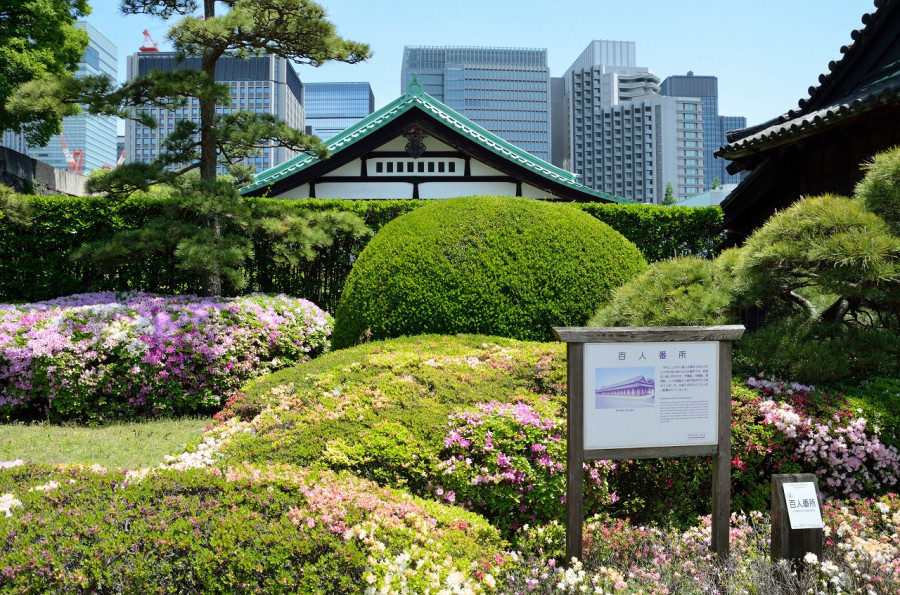
Installs micro-gardens near metro stations. Even small 25–50 m² areas can generate noticeable acoustic relief.
New York
Testing “quiet pavements” — special sidewalk coatings that reduce the sound of footsteps and wheels.
Table: Noise-Reduction Tools and Their Effects
| Solution Type | Average Noise Reduction | Additional Benefits |
|---|---|---|
| Hedges / shrubs | 5–10 dB | Air quality, shade |
| Tree clusters | 6–12 dB | Cooling, biodiversity |
| Green berms | 10–15 dB | Wind protection, aesthetics |
| Water features | 0 dB (masking) | Psychological calm |
| Acoustic screens | 10–25 dB | Fast and flexible |
| Spatial layout changes | 3–10 dB | Better functionality |
Quiet Zones as a Core Element of the Future City
Creating urban quiet zones is not a luxury — it is an urgent necessity. Silence is becoming as essential as clean air, public spaces, and safety. It directly influences:
-
mental health,
-
productivity,
-
sleep quality,
-
social interaction,
-
overall well-being.
The coming decades will be a period when cities compete not only economically but also in terms of livability. Quiet zones are a powerful tool in that competition.
But it’s important to understand: these spaces cannot exist solely due to government planning. They require collaboration between designers, ecologists, acoustic engineers, urban planners — and everyday residents.
The more consciously people engage with their surroundings, the more they create and defend their “quiet havens.” These spaces become not just beautiful corners but symbols of a new urban culture where health, calm, and nature are priorities.