Private Electric Transport and Its Environmental Impact
Private electric transport is often presented as one of the key solutions to modern environmental challenges. Electric cars, scooters, bikes, and personal mobility devices are increasingly visible in cities around the world, promoted as clean alternatives to gasoline-powered vehicles. Governments subsidize them, companies invest heavily in their development, and consumers are encouraged to switch in the name of sustainability.
However, the environmental impact of private electric transport is more complex than it may seem at first glance. While electric vehicles (EVs) can significantly reduce local air pollution and greenhouse gas emissions during use, they also raise important questions about energy sources, resource extraction, manufacturing processes, and urban mobility patterns. Understanding these nuances is essential for evaluating whether private electric transport truly contributes to environmental sustainability or merely shifts environmental costs elsewhere.
 The Environmental Advantages of Private Electric Transport
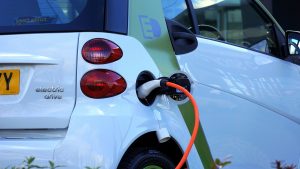
One of the most widely cited benefits of private electric transport is the reduction of direct emissions. Unlike internal combustion engine vehicles, electric cars and scooters do not emit carbon dioxide, nitrogen oxides, or particulate matter during operation. This makes a noticeable difference in urban areas, where traffic-related air pollution is a major contributor to respiratory illnesses, cardiovascular disease, and reduced quality of life.
Electric transport also operates more quietly, reducing noise pollution. Lower noise levels can improve mental health, reduce stress, and make cities more pleasant for residents, especially in densely populated neighborhoods. For cyclists and pedestrians, quieter streets can feel safer and more welcoming.
Another environmental advantage lies in energy efficiency. Electric motors convert a much higher percentage of energy into motion compared to traditional engines. This means that, per kilometer traveled, electric vehicles generally consume less energy overall. When powered by renewable electricity sources such as wind, solar, or hydroelectric power, their environmental footprint can be significantly smaller than that of fossil fuel–based transport.
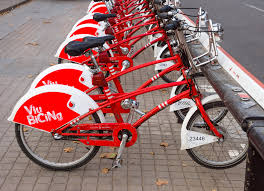
Private electric micro-mobility options—such as e-bikes and electric scooters—also offer an alternative to short car trips, which are particularly inefficient and polluting. Replacing even a portion of these trips with lightweight electric vehicles can reduce congestion, lower emissions, and decrease the demand for parking space in cities.
Hidden Environmental Costs and Ethical Challenges
Despite these advantages, private electric transport is not inherently “green.” One of the most significant environmental concerns is battery production. Lithium-ion batteries require the extraction of raw materials such as lithium, cobalt, and nickel. Mining these resources often involves high water consumption, habitat destruction, and serious social and ethical issues, including unsafe labor conditions and impacts on local communities.
Manufacturing electric vehicles is also energy-intensive. In many regions, electricity used in production still comes largely from fossil fuels. As a result, the carbon footprint of producing an electric car can be higher than that of producing a conventional vehicle, even if the electric car becomes cleaner over time during use.
Another issue is the source of electricity used to charge private electric transport. In countries where coal or natural gas dominate the energy mix, the indirect emissions associated with charging can significantly reduce the environmental benefits of electric vehicles. Without a parallel transition to renewable energy, electrification alone cannot fully address climate concerns.
There is also the problem of overconsumption. In some cases, electric scooters and bikes are used not to replace cars but to replace walking or public transport. This can lead to increased overall energy use rather than reductions. Short product lifespans, especially for shared or low-cost electric devices, contribute to electronic waste and resource inefficiency.
Urban Planning and the Role of Private Electric Mobility
The environmental impact of private electric transport depends heavily on how it is integrated into urban systems. When electric vehicles are simply added to car-centered infrastructure, they may reinforce existing problems such as congestion, urban sprawl, and inefficient land use.
In contrast, when private electric transport is part of a broader mobility strategy—combined with strong public transport, cycling infrastructure, and pedestrian-friendly design—it can support more sustainable cities. Electric bikes, for example, can extend the reach of public transit, making it easier for people to commute without relying on private cars.
Urban policies play a crucial role in shaping outcomes. Incentives that prioritize smaller, lighter electric vehicles over large electric cars can reduce resource consumption. Investments in charging infrastructure powered by renewable energy can further lower environmental impacts. Regulations that encourage durability, repairability, and battery recycling can address lifecycle concerns.
Responsible Choices by Producers and Consumers
Sustainability in private electric transport is a shared responsibility. Manufacturers must design vehicles with environmental impact in mind, focusing on energy efficiency, ethical sourcing of materials, and long-term usability. Battery recycling and second-life applications are particularly important for reducing waste and resource extraction.
Consumers also play a key role. Choosing electric transport does not automatically make someone environmentally responsible. How often a vehicle is used, what it replaces, how long it lasts, and how it is disposed of all matter. Opting for shared mobility services, maintaining devices properly, and supporting renewable energy initiatives can amplify the positive effects of electrification.
Below is a simplified comparison of environmental aspects of different private transport options:
| Transport Type | Direct Emissions | Resource Intensity | Best Environmental Use Case |
|---|---|---|---|
| Electric car | Very low | High | Replacing frequent car trips |
| Electric bike | Minimal | Low | Short to medium urban trips |
| Electric scooter | Minimal | Medium | First- and last-mile travel |
| Gasoline car | High | High | Least sustainable option |
Conclusion
Private electric transport offers real environmental benefits, particularly in reducing local air pollution and improving energy efficiency. However, it is not a universal solution. Its true sustainability depends on energy sources, production methods, urban integration, and consumer behavior.
For electric mobility to contribute meaningfully to environmental goals, it must be part of a broader shift toward sustainable energy, responsible consumption, and smarter urban design. Only by addressing the full lifecycle and systemic context of private electric transport can societies ensure that electrification leads to genuine environmental progress rather than superficial change.