Eco-Friendly Indoor Microclimates for Healthy and Sustainable Living
Modern people spend up to 80–90 percent of their lives indoors, especially in urban environments. Apartments are no longer just places for rest; they function as workspaces, learning environments, and centers of daily life. As a result, the quality of indoor air, temperature, humidity, and building materials has a direct impact on human health, well-being, and overall quality of life. An eco-friendly indoor microclimate is a balanced system in which clean air, optimal humidity, non-toxic materials, and energy-conscious solutions work together to create a healthy living environment.
In recent decades, indoor air pollution has become a growing concern worldwide. Airtight windows, synthetic construction materials, household chemicals, and insufficient ventilation often lead to the accumulation of harmful substances inside homes. At the same time, maintaining a sustainable indoor microclimate does not necessarily require major renovations or high costs. In many cases, it depends on informed choices, everyday habits, and thoughtful use of available technologies.
Why an Eco-Friendly Indoor Microclimate Matters for Health and Well-Being
An indoor microclimate refers to the combination of physical and chemical conditions inside a living space that affect human comfort and health. These include air quality, temperature, humidity, lighting, and exposure to pollutants. When these factors are poorly balanced, they can negatively affect both physical and mental health.
Indoor Air Quality and Its Impact on the Human Body
Indoor air can be more polluted than outdoor air due to limited circulation and continuous emission of contaminants from everyday sources. Furniture, paints, varnishes, adhesives, cleaning products, and synthetic textiles often release volatile organic compounds (VOCs). Long-term exposure to these substances may cause headaches, eye and throat irritation, allergic reactions, fatigue, and respiratory problems.
Elevated levels of carbon dioxide (CO₂) are another common issue in poorly ventilated apartments. High CO₂ concentrations can reduce cognitive performance, cause drowsiness, and negatively affect sleep quality. Over time, inadequate air renewal contributes to chronic fatigue and reduced immune function.
Children, elderly individuals, and people with asthma or allergies are particularly vulnerable to indoor air pollution. For them, even moderate exposure to airborne contaminants can significantly reduce quality of life.
Temperature and Humidity as Key Comfort Factors
Temperature and humidity play a crucial role in creating a healthy indoor environment. During heating seasons, indoor air often becomes excessively dry, leading to dry skin, irritated airways, and increased susceptibility to infections. On the other hand, excessive humidity encourages mold growth, dust mites, and bacterial proliferation, all of which can trigger allergic reactions and respiratory illnesses.
Maintaining a balanced indoor microclimate supports better sleep, improves concentration, stabilizes mood, and reduces stress. From an environmental perspective, it also promotes energy efficiency by preventing unnecessary heating, cooling, or moisture-related damage to buildings.
Ventilation and Air Filtration as the Foundation of a Sustainable Home
Effective air exchange is essential for maintaining a healthy indoor microclimate. Even the most eco-friendly materials cannot compensate for stagnant air and insufficient ventilation.
Natural Ventilation: Simple and Sustainable
Natural ventilation remains one of the most environmentally friendly and accessible methods for improving indoor air quality. Regular window opening allows fresh air to replace stale indoor air, reducing CO₂ levels and removing odors and pollutants.
Short, intensive ventilation—opening windows for 5–15 minutes several times a day—is often more effective than keeping windows slightly open for long periods. Cross-ventilation, achieved by opening windows on opposite sides of an apartment, enables rapid and efficient air exchange without significantly lowering indoor temperature.
It is also important to ensure that existing ventilation ducts in kitchens and bathrooms are unobstructed. Blocked vents can significantly reduce airflow and lead to moisture buildup.
Mechanical Ventilation and Air Cleaning Systems
In densely populated cities or regions with extreme weather, natural ventilation may not always be practical. Mechanical ventilation systems, including exhaust fans, air supply units, and air purifiers, can help maintain consistent indoor air quality.
Air purifiers equipped with particulate and activated carbon filters can remove dust, allergens, pollen, and odors. These systems are particularly beneficial for households with pets or residents who suffer from allergies. However, their effectiveness depends on regular maintenance. Filters must be replaced according to manufacturer recommendations to prevent pollutant buildup.
Ventilation systems also play an important role in moisture control, especially in kitchens and bathrooms where steam and condensation are common. Proper airflow reduces the risk of mold growth and structural damage.
Eco-Friendly Materials and Interior Choices That Support Clean Air
The materials used in construction, renovation, and interior design have a long-term impact on indoor air quality. Many conventional materials continue to emit pollutants years after installation.
Sustainable Building and Finishing Materials
An environmentally responsible approach to home renovation prioritizes materials with low or zero VOC emissions. Water-based paints, natural plasters, and mineral finishes reduce chemical exposure and support healthier indoor air.
Natural flooring options such as solid wood, cork, bamboo, or linoleum made from renewable resources are preferable to synthetic alternatives. These materials are durable, biodegradable, and free from harmful plasticizers.
Equally important are adhesives, sealants, and coatings, which are often overlooked but can be major sources of indoor pollution. Choosing certified low-emission products helps minimize environmental and health risks.
 Furniture, Textiles, and the Role of Indoor Plants
Furniture made from solid wood or certified low-emission composites contributes to a cleaner indoor environment. Upholstery and curtains made from natural fibers such as cotton, linen, and wool are breathable and less likely to trap dust and odors than synthetic fabrics.
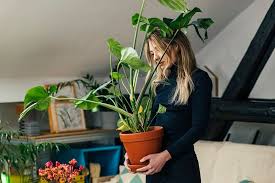
Indoor plants can complement ventilation and filtration efforts. They help regulate humidity, enhance visual comfort, and provide psychological benefits by connecting residents with nature. While plants alone cannot replace proper air exchange, they contribute positively to the overall indoor ecosystem when combined with other strategies.
Practical Strategies for Maintaining a Healthy Indoor Microclimate
Creating a sustainable indoor microclimate requires consistency and awareness rather than drastic measures. Small daily actions can produce significant long-term benefits.
Monitoring temperature and humidity with simple household devices allows residents to respond quickly to unfavorable conditions. Humidifiers can improve comfort during dry seasons, while proper ventilation helps control excess moisture during warmer months.
Reducing pollution sources is equally important. Choosing fragrance-free or eco-certified cleaning products, avoiding indoor smoking, and ventilating after cooking or cleaning help maintain cleaner air. Regular dust removal and textile cleaning further reduce allergen buildup.
Below is a summary table outlining key strategies for improving indoor environmental quality.
Table: Key Methods for Creating an Eco-Friendly Indoor Microclimate
| Method | Primary Benefit | Important Considerations |
|---|---|---|
| Natural ventilation | Air renewal and CO₂ reduction | Requires regular practice and weather awareness |
| Mechanical ventilation | Consistent airflow | Needs energy and maintenance |
| Air purification | Removal of allergens and odors | Filters must be replaced regularly |
| Eco-friendly materials | Reduced chemical emissions | Certification and sourcing matter |
| Humidity control | Mold prevention and comfort | Balance is essential |
| Indoor plants | Psychological comfort and humidity support | Supplement, not replacement, for ventilation |
Conclusion
An eco-friendly indoor microclimate is the result of an integrated approach that combines smart ventilation, responsible material choices, air quality management, and sustainable daily habits. Clean air, balanced humidity, and non-toxic interiors create living spaces that support physical health, mental well-being, and environmental responsibility.
In a world increasingly affected by urbanization and climate challenges, caring for the indoor environment is a meaningful step toward sustainable living. By improving the quality of the spaces where we spend most of our time, we not only protect our own health but also contribute to a broader culture of environmental awareness—starting at home.