Disposable Tableware and the Environment: Convenience That Nature Pays For
Disposable tableware has long become part of everyday life — from street food and coffee to go to large events and delivery services. It is often perceived as a symbol of convenience and hygiene, especially in the context of a fast-paced lifestyle. However, behind this apparent practicality lie serious environmental consequences that are increasingly becoming the subject of public and scientific debate.
Why Disposable Tableware Became the Norm
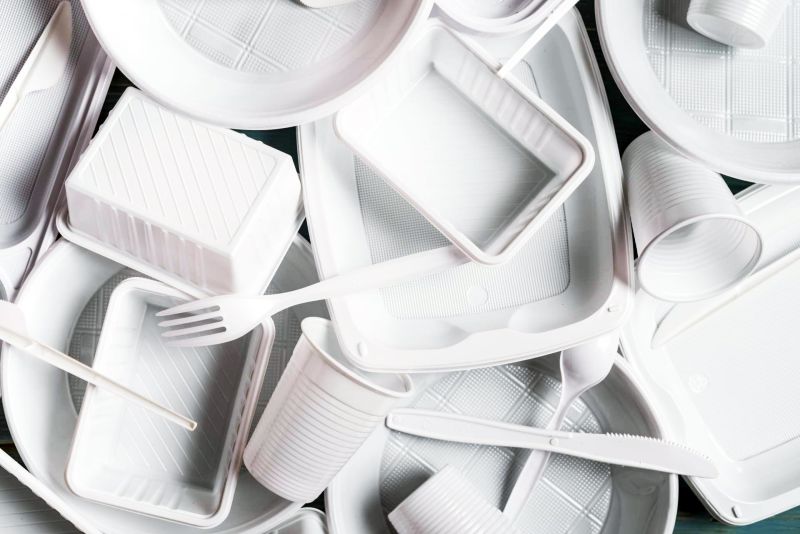
The spread of disposable tableware is linked not only to convenience but also to changes in social habits. In the second half of the twentieth century, rapid urbanization, the growth of fast food, and the culture of eating “on the go” created demand for cheap and lightweight solutions. Plastic plates, cups, and cutlery fit perfectly into this model: they require no washing and save time and resources for businesses.
Another important factor is the perception of hygiene. Disposable tableware is often considered “cleaner,” especially in public catering. During epidemics and sanitary crises, this argument becomes even stronger, even though scientific evidence does not always confirm a real advantage over reusable alternatives when the latter are properly cleaned and handled.
However, the normalization of single-use items has changed our relationship with objects themselves. Tableware that once served for years has turned into an item with a life cycle of just a few minutes. This mismatch between the time of use and the time of decomposition lies at the core of the environmental problem.
The Environmental Footprint: From Production to Waste
The environmental impact of disposable tableware cannot be assessed solely by the material it is made from — the entire life cycle must be considered. Plastic tableware is produced from fossil resources, requires energy and water, and after use almost always becomes waste. Most of it is not recycled due to contamination with food residues and low economic feasibility.
Paper and cardboard tableware are often perceived as more eco-friendly alternatives. However, to make them moisture-resistant, they are usually coated with a thin layer of plastic or wax, which complicates recycling. In addition, paper production is associated with deforestation and significant water consumption.
Biodegradable tableware made from corn starch, sugarcane, or bamboo appears promising, but it also has limitations. Such products do decompose faster, but usually only under industrial composting conditions. In regular landfills, they may behave almost the same way as plastic.
Comparison of Main Types of Disposable Tableware
| Type of Tableware | Main Material | Decomposition Time | Recyclability | Main Environmental Issues |
|---|---|---|---|---|
| Plastic | Petroleum-based materials | 100–500 years | Low | Ocean pollution, microplastics |
| Paper | Wood pulp | 1–5 years | Limited | Deforestation, plastic coatings |
| Biodegradable | Plant-based materials | 3–12 months* | Medium | Requires special composting conditions |
| Reusable | Glass, metal | Decades | High | Water and energy use for washing and transport |
* with industrial composting available
The table shows that “eco-friendliness” is a relative concept. No option is completely neutral for the environment, but the scale of impact differs significantly.

The Illusion of Eco-Friendly Alternatives
One of the key problems is greenwashing — marketing that presents a product as environmentally friendly without sufficient justification. Labels such as “eco,” “bio,” or “green” create a sense of responsibility, but do not always reflect the real environmental impact.
Consumers often do not realize that biodegradable tableware requires specific infrastructure. In cities without separate waste collection and composting facilities, it ends up in the same landfills as regular plastic. As a result, the environmental benefit is minimal, or even negative if the resources used for production are taken into account.
The cause-and-effect relationship here is clear: without systemic changes, replacing one type of disposable tableware with another does not solve the waste problem. Moreover, it may reinforce the culture of single-use consumption by creating the illusion that the issue has already been addressed.
Scale also matters. Even relatively “soft” materials cause significant damage when billions of items are used every day. Environmental sustainability is impossible without reducing the overall volume of disposable products.
Does Disposable Tableware Have a Sustainable Future?
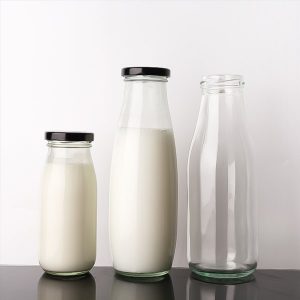
The question of the environmental impact of disposable tableware is not only about technology, but also about social choice. From a sustainable development perspective, the priority is not material substitution, but a change in consumption models. Reusable tableware, deposit-return systems, and reusable containers demonstrate much higher efficiency in the long term.
Some cities and countries have already introduced restrictions on single-use plastic items, encouraging businesses to look for alternatives. However, bans work only when combined with proper infrastructure and public education. Without convenient reusable options, consumers simply switch to other disposable products.
At the individual level, personal choices also matter. Refusing a coffee lid, using your own mug or container — these are not radical steps, but they help shape a new social norm. Over time, such practices influence the market and encourage businesses to adapt.
The environmental debate around disposable tableware reflects a broader conflict between comfort and responsibility. The solution lies not in searching for the “perfect” disposable material, but in rethinking what truly needs to be used only once.
Key Takeaways
-
The environmental impact of disposable tableware depends on its entire life cycle, not just the material.
-
Plastic tableware remains the most problematic due to its durability and pollution.
-
Paper and biodegradable alternatives are not always recyclable in practice.
-
Greenwashing creates an illusion of sustainability without real change.
-
Reducing single-use consumption is more effective than replacing materials.
-
Reusable systems show the best long-term environmental results.
Summing Up
The environmental impact of disposable tableware is not a matter of a single correct choice, but a reflection of a deeper consumption problem. As long as single-use convenience remains the norm, even the “greenest” materials will not compensate for the damage to the environment. Real progress begins when society moves from justifying disposability toward developing reusable and genuinely sustainable solutions.