How Color and Urban Design Shape Sustainable Behavior
Cities are more than collections of buildings, roads, and infrastructure. They are living systems that constantly influence how people think, move, and behave. Every day, often without realizing it, we respond to visual cues in our environment: the colors of buildings, the layout of streets, the presence of green spaces, and the design of public areas. These elements do more than shape aesthetics—they can actively encourage or discourage sustainable behavior.
Urban design plays a powerful role in guiding everyday choices. A well-designed bike lane can motivate people to cycle instead of drive. A welcoming public park can inspire community gardening. Thoughtful color schemes can even influence whether people respect shared spaces or treat them carelessly. For cities aiming to become more sustainable, understanding this connection between design and behavior is essential.
This essay explores how color and urban design influence sustainable behavior, focusing on mobility, waste reduction, and engagement with nature. By examining psychological responses, real-world examples, and practical design strategies, we can better understand how cities can quietly—but effectively—guide people toward greener lifestyles.
The Psychology of Color in Urban Spaces
Color is one of the most immediate and emotionally powerful elements of urban design. Long before we consciously analyze a space, our brains react to color cues that shape mood, attention, and behavior. In sustainable urban planning, color is not just decorative—it is functional.
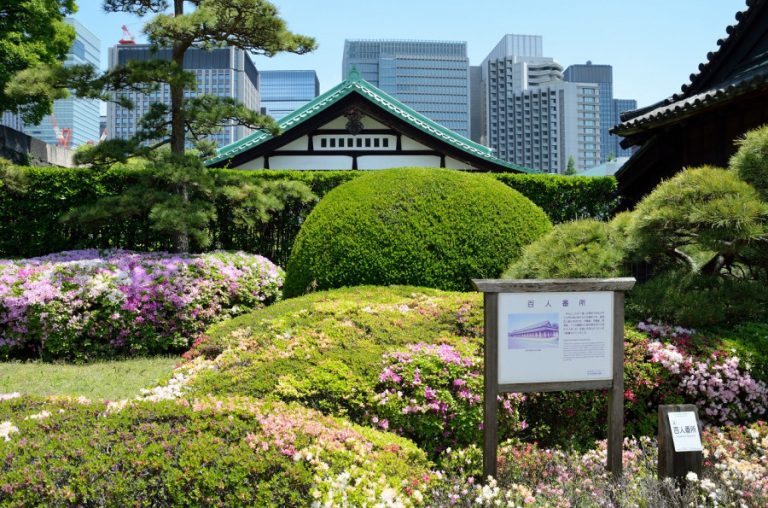
Green is perhaps the most widely recognized color associated with sustainability. It evokes nature, growth, balance, and calm. Urban environments that incorporate green tones—whether through vegetation, green-painted infrastructure, or natural materials—often feel more inviting and less stressful. Studies in environmental psychology suggest that people are more likely to care for spaces that feel calm and connected to nature. When public areas feel pleasant, people are less likely to litter or vandalize them.
Blue is another color with a strong psychological impact. Associated with trust, cleanliness, and stability, blue is often used in public transport systems and pedestrian zones. Blue-toned bike lanes or signage can subconsciously communicate safety and reliability, making people more comfortable choosing sustainable transportation options like cycling or walking.
Warm colors such as yellow and orange can be used strategically to attract attention and promote activity. Yellow, for example, is often associated with optimism and energy. When used in moderation—on bike-sharing stations, recycling bins, or pedestrian crossings—it can encourage engagement without overwhelming the senses.
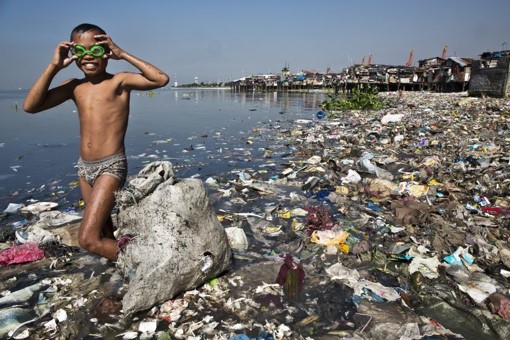
In contrast, poorly chosen or overly aggressive color schemes can have the opposite effect. Gray, monotonous environments often feel neglected, which can subtly signal that care and responsibility are not expected. In such spaces, people may feel less accountable for their actions, leading to higher levels of littering or misuse of public infrastructure.
The key takeaway is that color influences perception, and perception shapes behavior. When urban colors are chosen with intention, they can support sustainability by making eco-friendly choices feel natural and appealing.
Urban Design and Sustainable Mobility
Urban design strongly affects how people move through cities. While personal values matter, the physical environment often determines whether sustainable choices are convenient or frustrating. Design can either invite people to walk, cycle, and use public transport—or push them toward car dependency.
Bike-friendly cities offer a clear example. Dedicated cycling infrastructure, especially when visually distinct, makes cycling feel safer and more legitimate. Painted bike lanes in green or blue visually separate cyclists from car traffic and pedestrians, reducing confusion and stress. When cycling infrastructure is clearly marked and aesthetically integrated into the city, people are more likely to see biking as a normal, everyday option rather than a risky alternative.
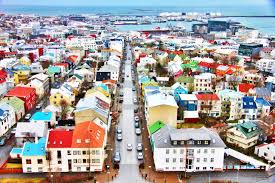
Pedestrian-friendly design works in a similar way. Wide sidewalks, visible crosswalks, and human-scale street layouts encourage walking. Colors and textures play an important role here: warm, natural tones can make streets feel more welcoming, while harsh or industrial designs can discourage lingering or walking long distances.
Public transportation also benefits from thoughtful design. Stations that are clean, well-lit, and visually coherent feel safer and more trustworthy. Color-coded transit lines simplify navigation and reduce cognitive effort, making public transport more accessible for both residents and visitors.
Importantly, sustainable mobility is not just about efficiency—it is about emotional experience. If biking or walking feels stressful, unsafe, or unpleasant, people will avoid it. Urban design that prioritizes comfort, clarity, and visual harmony helps transform sustainable transport from a moral obligation into an attractive choice.
Design, Responsibility, and Everyday Environmental Behavior
Urban spaces communicate expectations. The way a place looks and feels sends subtle signals about how people should behave within it. Well-designed environments tend to inspire responsibility, while neglected spaces often invite neglectful behavior.
This principle is especially visible in waste management. Recycling and composting systems are far more effective when they are visually intuitive and aesthetically pleasing. Clearly color-coded bins—green for organic waste, blue for recyclables, gray for general trash—reduce confusion and make correct disposal easier. When bins are well-maintained and thoughtfully placed, people are more likely to use them correctly.
Public spaces designed with care also encourage people to respect shared environments. Parks with visible greenery, comfortable seating, and thoughtful layouts tend to be treated better than barren or poorly maintained areas. When people perceive a space as valuable, they are more likely to protect it.
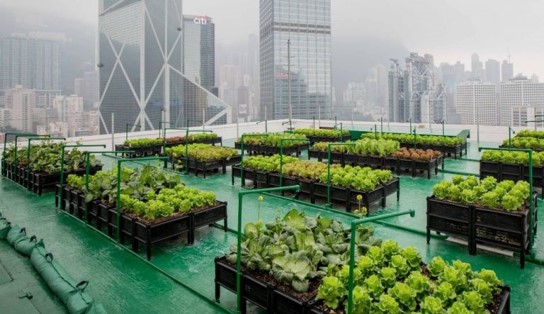
Community gardens offer another powerful example. When cities allocate space for urban gardening and design it attractively—with natural colors, accessible paths, and shared tools—residents often develop a stronger connection to their environment. Gardening fosters environmental awareness, reduces food waste, and strengthens community bonds.
Urban design can also promote sustainable habits indirectly. For example, placing staircases in prominent, well-lit locations while hiding elevators encourages physical activity and reduces energy use. Small design choices like these can quietly shift behavior without requiring constant reminders or enforcement.
Table: Urban Design Elements and Their Impact on Sustainable Behavior
| Design Element | Color or Layout Feature | Behavioral Impact | Sustainability Outcome |
|---|---|---|---|
| Bike lanes | Green or blue paint | Increased sense of safety | More cycling, fewer car trips |
| Recycling bins | Clear color coding | Correct waste sorting | Reduced landfill waste |
| Public parks | Natural colors, open layouts | Longer visits, care for space | Stronger environmental connection |
| Pedestrian zones | Warm tones, wide paths | More walking | Lower emissions |
| Community gardens | Earth tones, visible greenery | Active participation | Local food production |
Toward More Sustainable Cities by Design
Sustainable behavior does not happen in a vacuum. While education and policy are important, the physical environment often has the final word in shaping daily habits. Cities that want to promote sustainability must look beyond regulations and consider how design influences human behavior on a subconscious level.
Color and urban design are powerful yet underused tools in this process. When used thoughtfully, they can lower the psychological barriers to sustainable choices and make environmentally friendly behavior feel intuitive rather than forced.
For planners and policymakers, this means integrating behavioral insights into design decisions. For citizens, it means recognizing how much our surroundings influence us—and advocating for better-designed spaces. Sustainability is not just about technology or individual sacrifice; it is about creating environments that support responsible choices by default.
Ultimately, cities that align visual design with environmental goals can foster a culture where sustainability is woven into everyday life. By shaping spaces that are inviting, clear, and connected to nature, urban design can quietly guide people toward behaviors that benefit both communities and the planet.